Belfast History Explained
A balanced, respectful guide to Belfast's past, present, and future.
"Our tours aim to provide balanced, respectful historical context and local insight. We encourage thoughtful discussion and understanding. The following content presents Belfast's history from a neutral, educational perspective."
The Troubles: An Overview
The Troubles refers to approximately three decades of conflict in Northern Ireland, broadly spanning from the late 1960s to the signing of the Good Friday Agreement in 1998. The conflict was rooted in deep political, religious, and national divisions between those who wished Northern Ireland to remain part of the United Kingdom (unionists, predominantly Protestant) and those who sought reunification with the Republic of Ireland (nationalists, predominantly Catholic).
The conflict resulted in over 3,500 deaths and tens of thousands of injuries. It affected every community in Northern Ireland and had significant impacts across the United Kingdom and the Republic of Ireland. The causes were complex, involving longstanding grievances over civil rights, political representation, social inequality, and national identity.
It is essential to understand that the conflict cannot be reduced to simple narratives. Both communities experienced suffering, loss, and injustice. The Troubles touched every family in Belfast, and the legacy continues to shape the city's identity, architecture, and social landscape today.
Murals and Their Symbolism
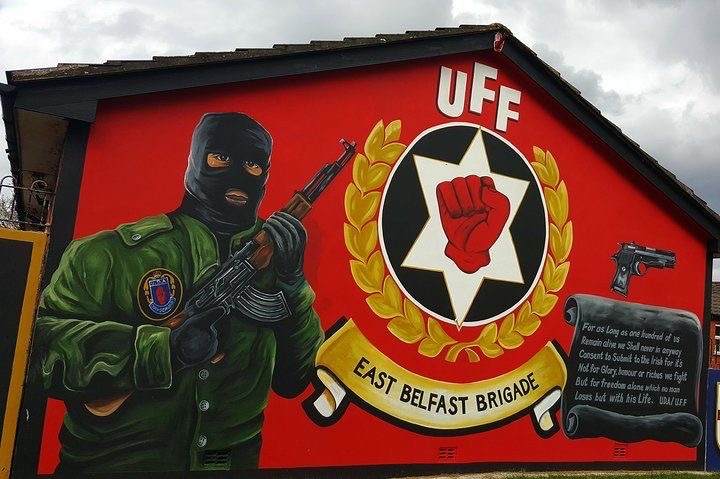
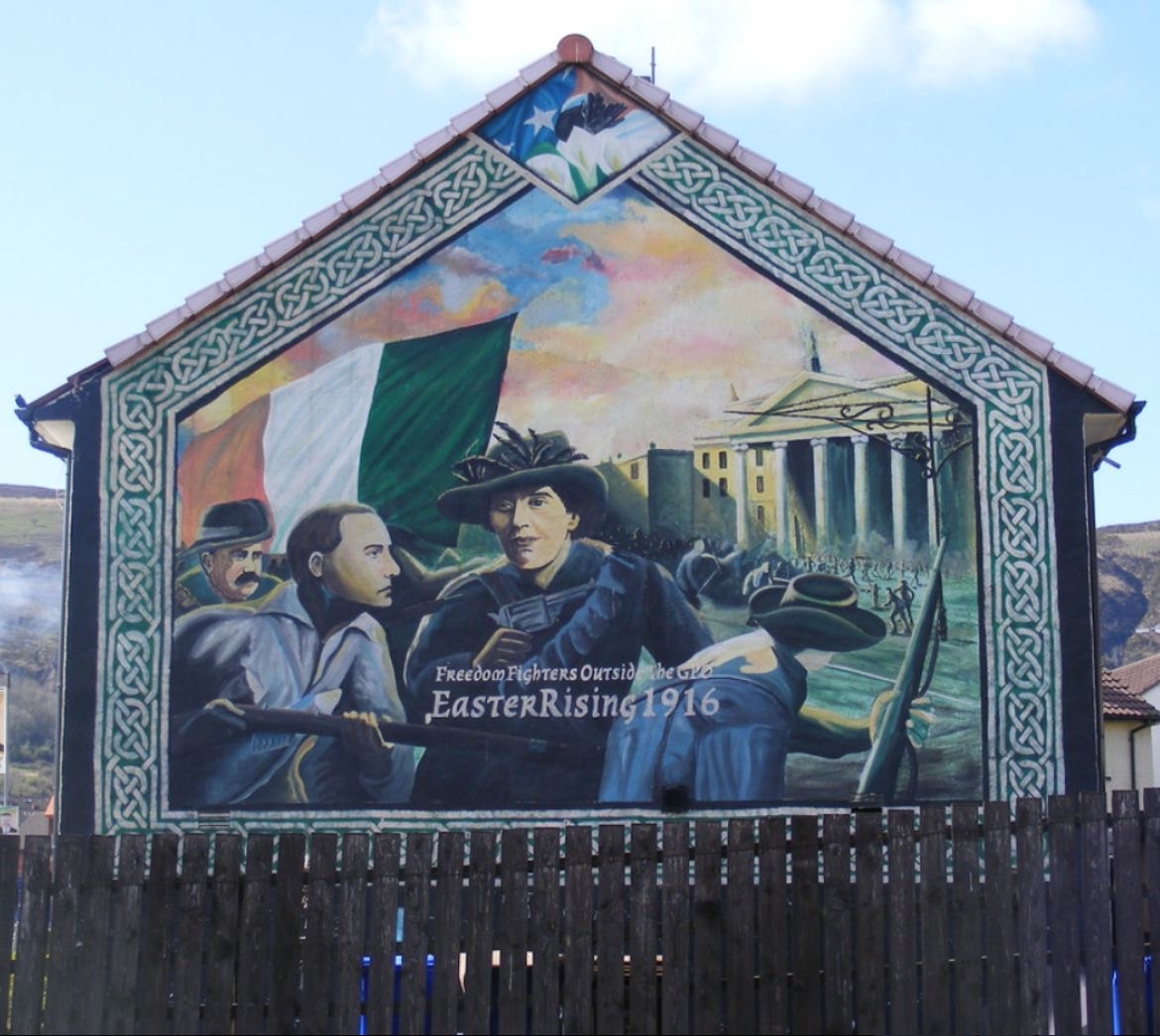
Belfast's murals are among the most significant collections of political street art in the world. Since the early 1970s, both communities have used murals to express identity, commemorate events, honour the fallen, and communicate political messages.
Nationalist murals, primarily found along the Falls Road and surrounding areas, often depict themes of Irish identity, resistance, civil rights, hunger strikers, and international solidarity with other liberation movements. The iconic Bobby Sands mural, painted on the gable wall of Sinn Fein's offices, is perhaps the most internationally recognised.
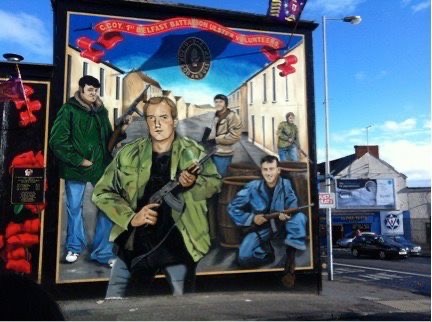
Loyalist murals, concentrated along the Shankill Road and East Belfast, frequently celebrate British identity, military service (particularly the Battle of the Somme), the monarchy, and paramilitary organisations. King William III (William of Orange) is a common subject, commemorating the Battle of the Boyne in 1690.
In recent years, new murals have emerged that celebrate shared culture — George Best, CS Lewis, the Titanic, and themes of peace and reconciliation. This evolution in mural art reflects Belfast's ongoing transformation.
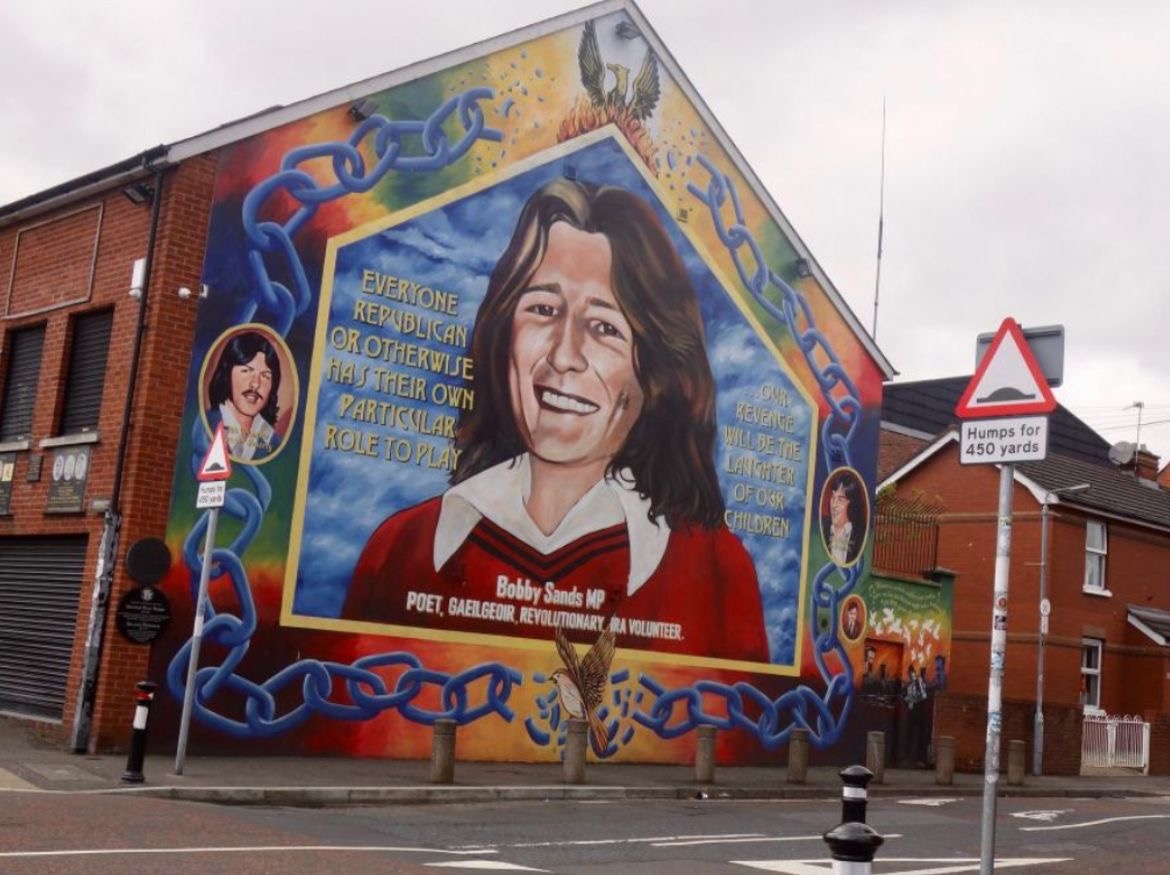
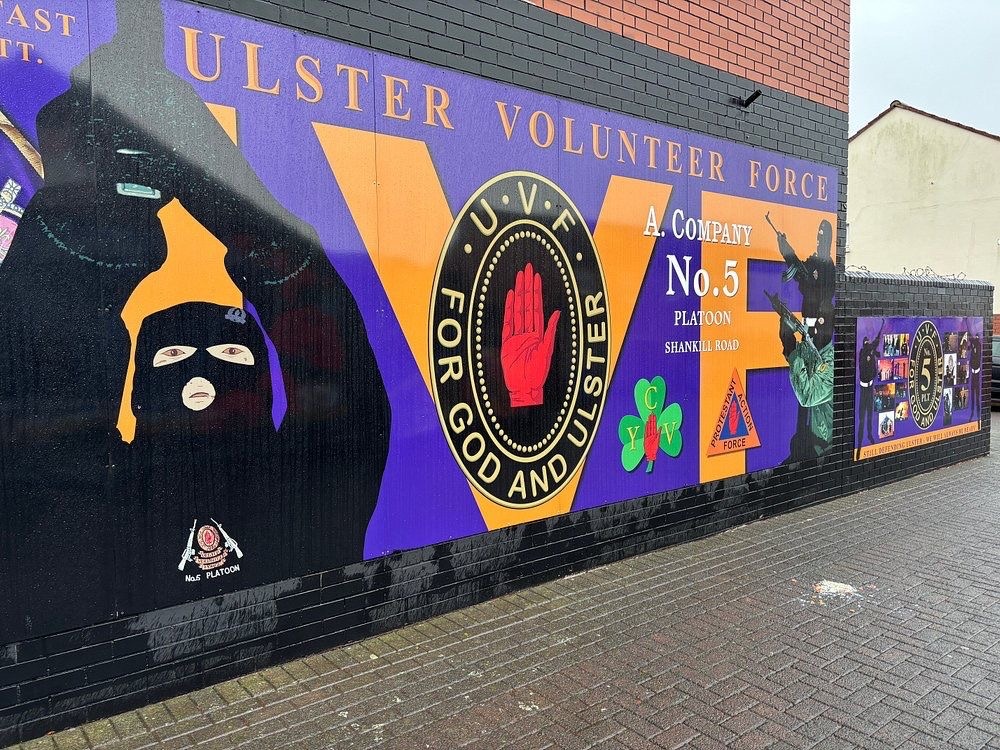
Bobby Sands mural, Falls Road (top) and UVF mural, Shankill Road (bottom) — both sides of Belfast's mural tradition
The Peace Walls
Belfast's Peace Walls — also called Peace Lines — are a series of physical barriers separating predominantly nationalist and loyalist residential areas. The first were erected in 1969 as temporary measures to reduce inter-community violence. Over 50 years later, many remain standing.
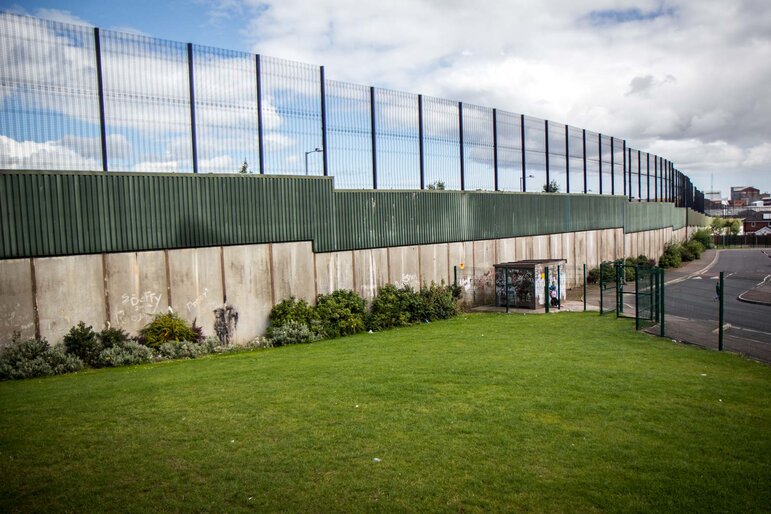
At their peak, there were over 100 peace walls across Northern Ireland, with the majority in Belfast. They range from simple metal fences to imposing concrete and steel barriers over 25 feet high, extending for miles through residential streets.
The walls represent one of the most visible legacies of the Troubles. While they were originally erected for safety, their continued existence is complex. Some residents feel safer with them in place; others see them as barriers to integration and normalisation. The Northern Ireland Executive has committed to removing all Peace Walls, though progress remains slow.
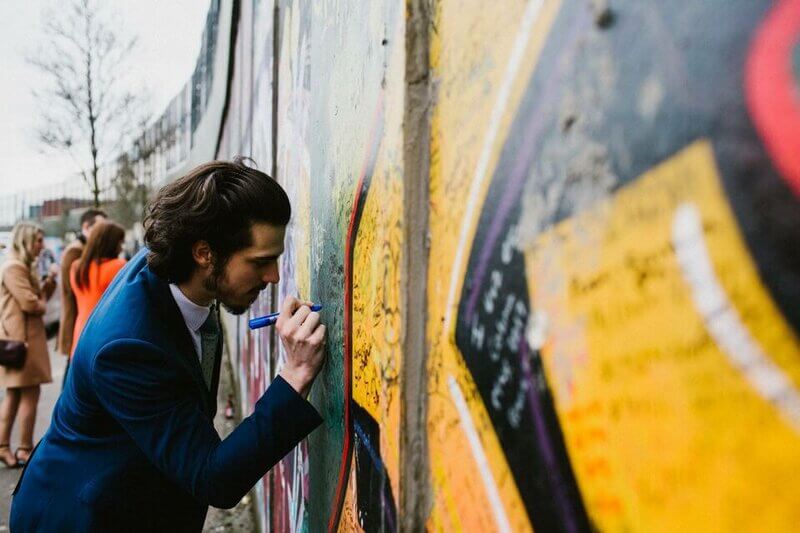
Today, the Peace Walls have become a powerful tourist attraction. Visitors from around the world leave messages of hope and peace on the walls, transforming barriers built from fear into canvases of international goodwill.
Significant Historical Landmarks
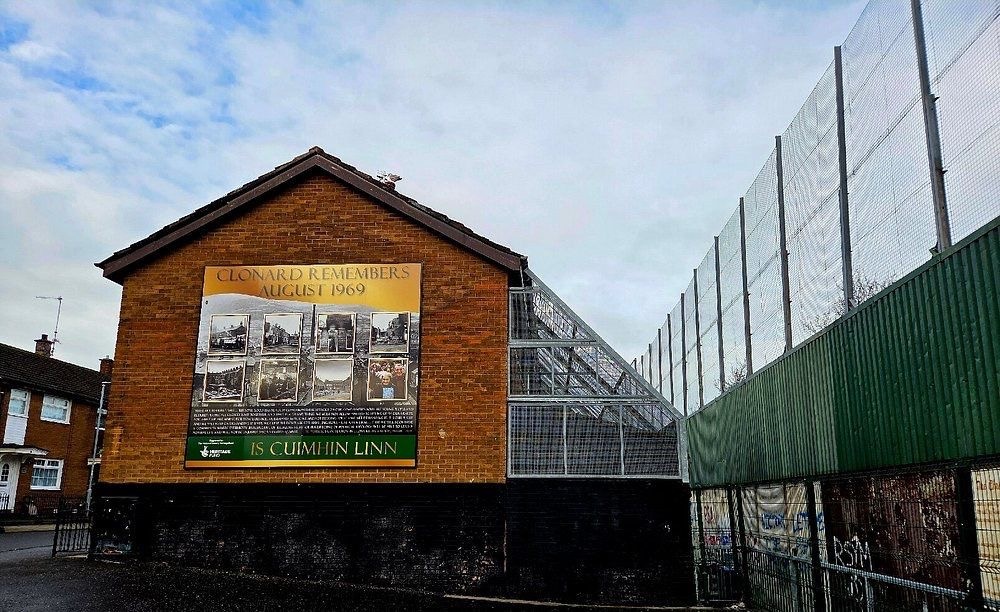
Clonard Martyrs Memorial Gardens: Located near the Clonard Monastery in West Belfast, this memorial honours local people who died during the Troubles. It is a place of quiet reflection and community remembrance, maintained by local residents.
The International Wall: A long stretch of wall on the Falls Road featuring murals that express solidarity with international causes — from Palestine to Catalonia, from South Africa to Native American rights. It demonstrates how Belfast's communities see their own struggle reflected in global movements.
Bombay Street: This small residential street was devastated in August 1969 when houses were burned during sectarian rioting. The destruction of Bombay Street became a defining moment of the early Troubles and led to the erection of the first Peace Walls.
Crumlin Road Gaol: This Victorian-era prison, built in 1845, held prisoners from both sides of the conflict during the Troubles, including loyalist and republican internees. Now a museum and events venue, it offers a sobering window into the justice system during the conflict.
Belfast's Transformation to Peace
The Good Friday Agreement (also known as the Belfast Agreement) was signed on 10 April 1998, marking a pivotal moment in Northern Ireland's history. It established a framework for power-sharing government, cross-border cooperation, and the decommissioning of paramilitary weapons.
Since 1998, Belfast has undergone a remarkable transformation. The city centre has been regenerated with modern architecture, cultural venues, and a thriving hospitality scene. The Titanic Quarter, once derelict shipyard land, is now home to the world-famous Titanic Belfast museum and a symbol of the city's reinvention.
The Cathedral Quarter has become a vibrant cultural hub with galleries, live music venues, and award-winning restaurants. Victoria Square, St George's Market, and the revitalised waterfront have made Belfast a genuine European destination city.
However, peace is an ongoing process. Community divisions persist in some areas, and the legacy of the Troubles continues to affect mental health, social cohesion, and political discourse. Belfast's story is one of extraordinary progress, but also of challenges that remain. It is this honest complexity that makes the city so compelling to visit and understand.

The Peace Walls Up Close
Standing before the Peace Walls is an experience unlike any other. These photographs capture the scale, the colour, and the humanity written into every surface.
The Scale of Division
Concrete base topped with steel mesh — over 25 feet at its highest
The Shankill Road Tradition
Loyalist murals honour military service and community identity
"The Peace Walls are gates of steel and concrete, but also pages of history written in colour. No photograph fully captures the feeling of standing in their shadow — that is something only a visit can give you."
Visit the WallsLeave Your Mark on History
Every year, thousands of visitors from across the globe sign their names and messages of hope on Belfast's Peace Walls. It is one of the most moving and personal experiences the city offers — a moment to connect with history and add your voice to the conversation.
Historical Timeline
Partition of Ireland creates Northern Ireland as part of the United Kingdom
Civil rights marches begin, demanding equal treatment for Catholics
Riots erupt across Belfast and Derry; British Army deployed; first Peace Walls erected
Internment without trial introduced, increasing community tensions
Bloody Sunday in Derry; Bloody Friday in Belfast; deadliest year of the Troubles
Hunger strikes at the Maze Prison; Bobby Sands dies after 66 days
IRA and Loyalist ceasefires declared, opening path to peace negotiations
Good Friday Agreement signed, establishing power-sharing framework
IRA formally ends its armed campaign and decommissions weapons
Power-sharing government restored at Stormont
Titanic Belfast museum opens, symbolising city regeneration
Belfast continues its transformation as a global tourism and cultural destination
See Belfast's History for Yourself
The best way to understand Belfast is to experience it with a knowledgeable local guide who can bring the history to life through personal stories and first-hand knowledge.